
Field Notes · July 5, 2026 · 5 min · By Jefferson Aluko
Does PRP hurt? What a session really feels like
The needles are real but so is the numbing. A step-by-step account of the actual sensations, from blood draw to the day after.
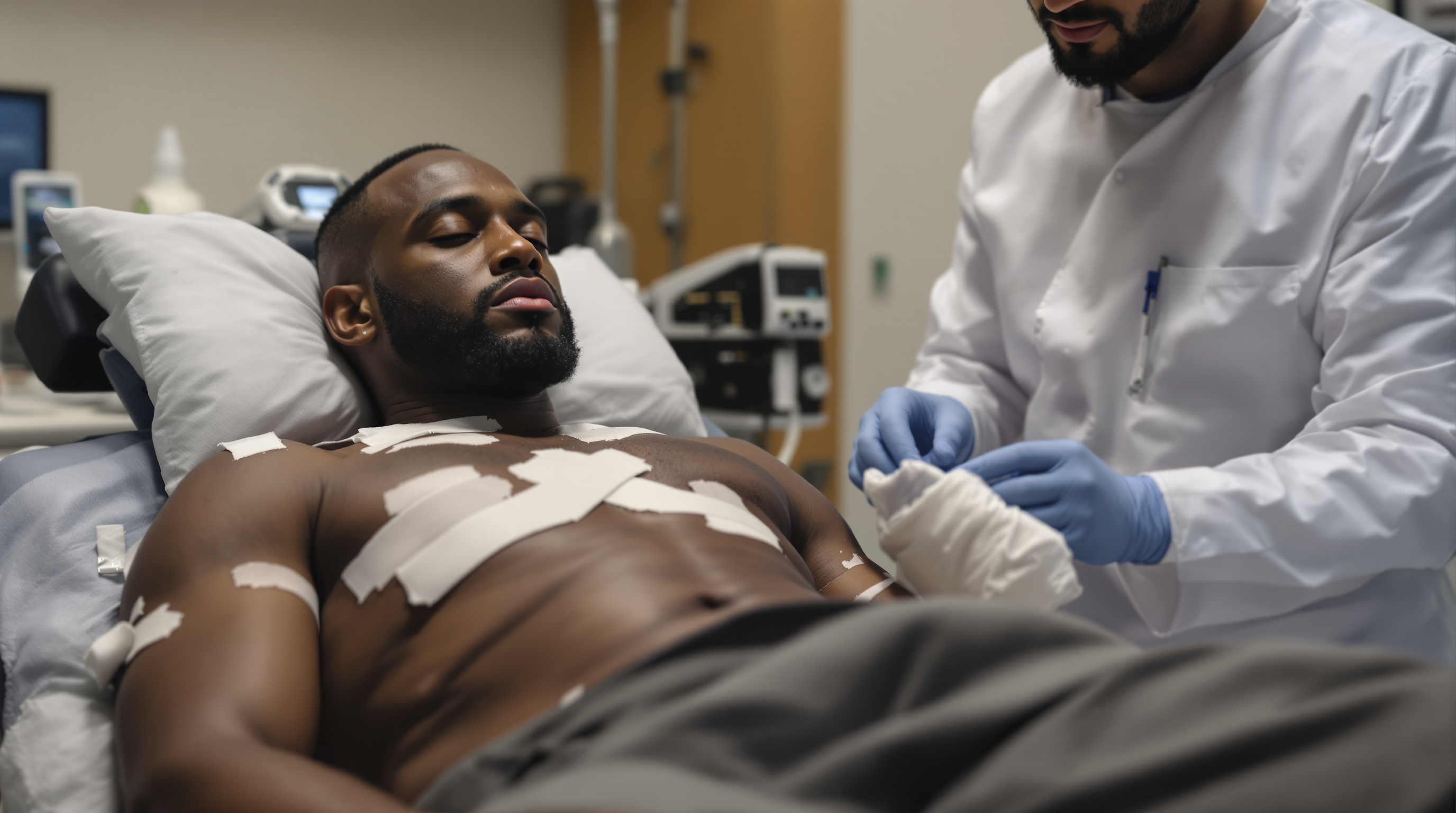
The question people are often too embarrassed to ask at a consultation is the simplest one: does PRP hurt? It is a fair question. The treatment involves a blood draw followed by a series of injections into the scalp, the face, or a joint, and nobody should walk into that without an honest preview of the sensations involved.
Start with the blood draw, because that is the part everyone already knows. Drawing the tube or two needed for preparing the plasma feels exactly like a routine lab test: a brief pinch in the arm, then pressure, then done. If you have ever had bloodwork, you have already experienced the first third of a PRP session. Being well hydrated makes this step noticeably easier, which is one reason it sits at the top of our preparation checklist.
The injections themselves depend heavily on where they go. For facial and under-eye treatments, clinics apply a topical numbing cream and let it sit for twenty to thirty minutes, after which most patients describe the injections as small pressure points or brief stings rather than real pain. Scalp injections are usually done quickly with very fine needles; the scalp is sensitive, and most patients rate the series of quick pinches as uncomfortable but entirely tolerable, often without any numbing at all. Joint injections are a different setting: they are typically performed with local anesthetic in the skin, and the deep sensation is more pressure than pain. Across all three, the honest summary is discomfort measured in seconds and minutes, not in hours.
What about afterward? Expect the treated area to feel tender, tight, or mildly sore for a day or two, similar to a bruise you can only feel when you touch it. Scalp patients often describe a sunburn-like tenderness when brushing their hair that evening. Joint patients sometimes get a temporary flare of achiness for a couple of days as the inflammatory healing response ramps up, which is expected biology rather than a warning sign. The full sequence of what is normal and what is not is covered in our recovery and aftercare guide.
Two practical notes keep the experience on the easy end of the range. First, take acetaminophen rather than ibuprofen or aspirin if you want relief afterward, because anti-inflammatory drugs blunt the platelet activity you just paid to concentrate. Second, tell the provider if you are needle-anxious; pacing the injections, using more numbing, and simply talking through the steps measurably lowers the distress of the appointment. Fainting responses are about anxiety and blood sugar far more than about actual pain, which is why arriving fed matters.
So, does PRP hurt? Briefly, mildly, and less than most people fear. On the scale of aesthetic and orthopedic procedures it sits near the gentle end, closer to a vaccine series than to anything surgical. For most patients the anticipation is genuinely worse than the needle.
Related reading: Is PRP safe? An honest look at the risks.
Further reading: Platelet-rich plasma for the treatment of alopecia: a systematic review and meta-analysis (Blood Transfus 2023); Comparative effectiveness of hyaluronic acid, platelet-rich plasma, and platelet-rich fibrin in treating temporomandibular disorders: a systematic review and network meta-analysis (Head Face Med 2023); Platelet-rich plasma for the treatment of diabetic foot ulcer: a systematic review (Front Endocrinol (Lausanne) 2023).