
Field Notes · February 26, 2026 · 5 min · By Jefferson Aluko
Is PRP safe? The risks, honestly assessed
An autologous treatment has a clean safety profile, but clean does not mean risk-free.
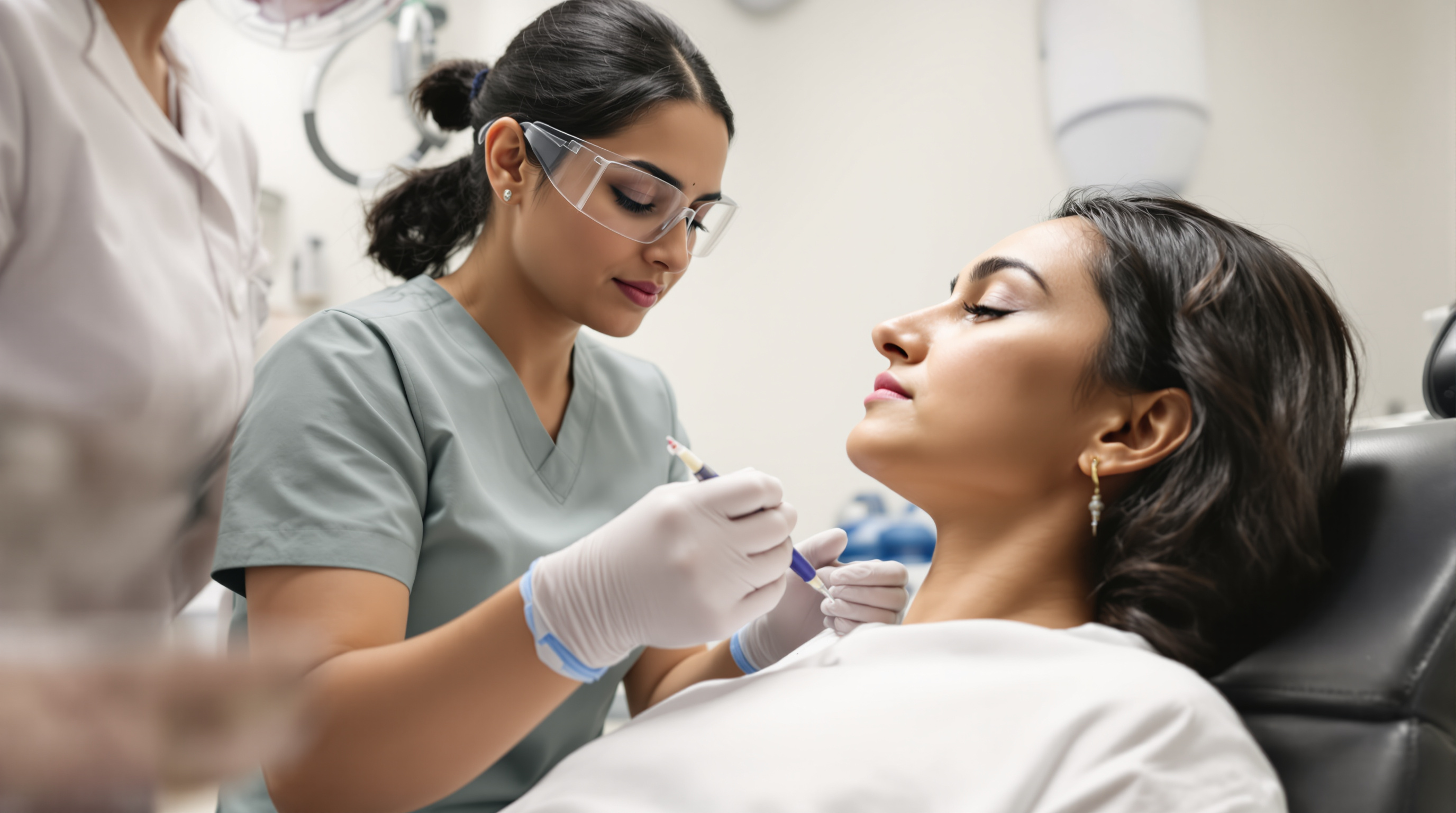
One of PRP therapy's genuine strengths is its safety profile. Because the platelet-rich plasma is made from your own blood, the treatment avoids the allergic reactions and rejection risks that come with foreign substances, which is a meaningful part of its appeal across hair, skin, and joint uses.
That said, no injection is entirely without risk, and honesty matters more than reassurance. The most common side effects are local and temporary: pain, swelling, redness, and bruising at the injection or treatment site, usually resolving within days. Because the skin is broken, there is always a small infection risk, which makes sterile technique and a reputable clinic non-negotiable. For scalp and facial treatments, some patients experience tenderness or transient swelling that they did not expect.
The deeper caution is not about danger but about disappointment. PRP's safety can make it feel consequence-free, which tempts people into unproven applications and unrealistic expectations. The treatment is low-risk; the bigger hazard is paying for sessions that were never likely to help your particular condition. People on blood thinners, with certain blood disorders, or with active infections may not be candidates, and a careful provider will screen for that. Approached with sterile technique, realistic goals, and proper candidacy screening, PRP is among the safer aesthetic and orthopedic procedures available, just not a license to treat everything. Knowing what to expect afterward helps too, which is the subject of our recovery and aftercare guide.
Related reading: PRP for knees, joints, and arthritis.
Further reading: Research Progress on Platelet-Rich Plasma (PRP) in the Treatment of Androgenetic Alopecia (J Cosmet Dermatol 2026); A meta-analysis and systematic review of the clinical efficacy and safety of platelet-rich plasma combined with hyaluronic acid (PRP + HA) versus PRP monotherapy for knee osteoarthritis (KOA) (J Orthop Surg Res 2025); Platelet-Rich Plasma for COVID-19-Related Olfactory Dysfunction: A Systematic Review and Meta-analysis of Randomized Controlled Trials (Cureus 2025).