
Dispatch · July 8, 2026 · 6 min · By Kerensa Molyneux
PRP for acne scars: what it can and cannot smooth
Rolling scars respond, ice picks resist. How platelet-rich plasma fits into acne scar treatment, and the scar types where it earns its place.
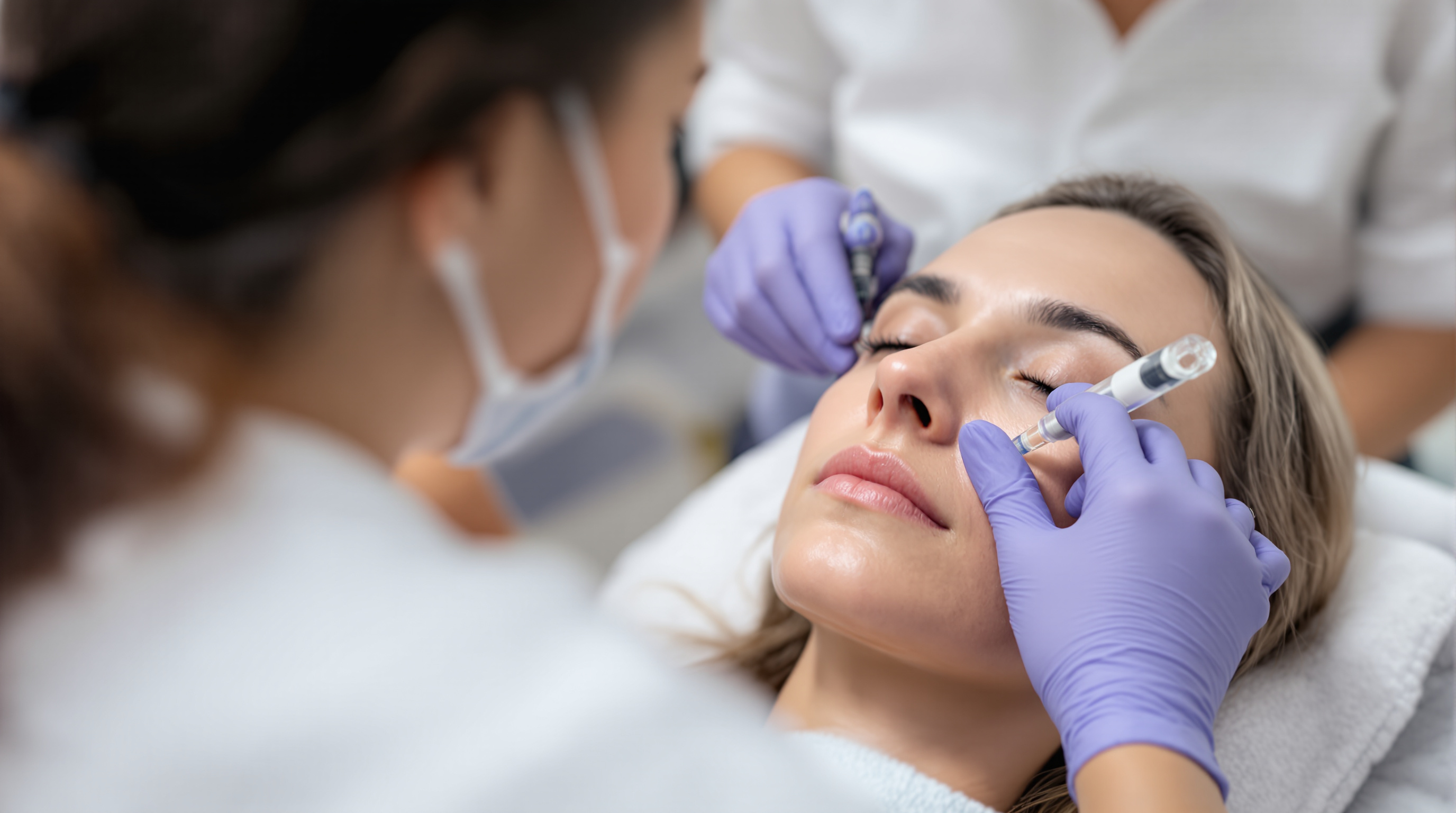
Acne scars are one of the most common reasons people end up in a PRP microneedling consultation, and one of the places where the treatment has genuinely useful evidence behind it. It is also a place where the type of scar you have matters more than the enthusiasm of the clinic, so the honest starting point is a mirror and a little vocabulary.
Atrophic acne scars, the indented kind, come in three broad shapes. Rolling scars are shallow, wave-like depressions with soft edges. Boxcar scars are wider with sharper walls. Ice pick scars are narrow, deep pits, as if the skin had been punctured. The distinction is not academic. Treatments that remodel collagen, including microneedling with PRP, do their best work on rolling and shallower boxcar scars, where rebuilding the collagen floor visibly lifts the depression. Deep ice pick scars resist them almost entirely and usually call for targeted dermatologic techniques such as chemical reconstruction or punch excision instead.
What does the plasma actually add? Controlled trials comparing microneedling alone against microneedling with platelet-rich plasma for atrophic acne scars have generally found the combination produces better scar scores and faster healing between sessions. The mechanism is the same one that runs through every use on this site: the growth factors amplify the collagen remodeling the needles trigger. The improvement is incremental rather than transformative, measured in scar-scale grades rather than erased skin, and it builds over a series, typically three or more sessions spaced about a month apart, the arithmetic we walk through in how many sessions you actually need.
Two cautions keep expectations calibrated. First, active acne is a stop sign. Needling through inflamed breakouts can spread bacteria and worsen scarring, so the acne itself must be controlled before any scar work begins. Second, no collagen-remodeling treatment returns skin to the way it was before the acne. A realistic outcome after a full series is scars that are noticeably shallower and less visible in ordinary light, not gone. Clinics that promise complete removal are promising something the biology does not offer.
There is one quietly encouraging note for medium and deeper skin tones. Because PRP appears to speed healing after microneedling, some clinicians favor the combination partly because a shorter healing window may lower the risk of post-inflammatory hyperpigmentation, the dark marks that more aggressive resurfacing can leave behind in darker skin. Careful settings and daily sun protection still do most of that protective work, a theme our results timeline piece returns to, but it is a reasonable part of why the combination is often chosen over ablative options for these patients.
The bottom line follows the pattern of everything else PRP touches. For rolling and shallow boxcar acne scars, a properly performed PRP microneedling series is a credible, evidence-supported way to soften them. For ice pick scars, active acne, or hopes of perfect skin, it is the wrong tool, and a good provider will say so before taking your money.
Related reading: PRP recovery: what to expect after a session.
Further reading: Fluid Platelet-Rich Fibrin (PRF) Versus Platelet-Rich Plasma (PRP) in the Treatment of Atrophic Acne Scars: A Comparative Study (Arch Dermatol Res 2023); Transplantation of autologous fat, stromal vascular fraction (SVF) cell, and platelet-rich plasma (PRP) for cell therapy of atrophic acne scars: Clinical evaluation and biometric assessment (J Cosmet Dermatol 2022); Combined Effect of Microneedling and Platelet-Rich Plasma for the Treatment of Acne Scars: A Meta-Analysis (Front Med (Lausanne) 2021).