
Dispatch · June 11, 2026 · 6 min · By Kerensa Molyneux
PRP for under-eye circles and hollows
The delicate under-eye area is one of the trickier places to treat. Here is what PRP can realistically do for dark circles and tear troughs.
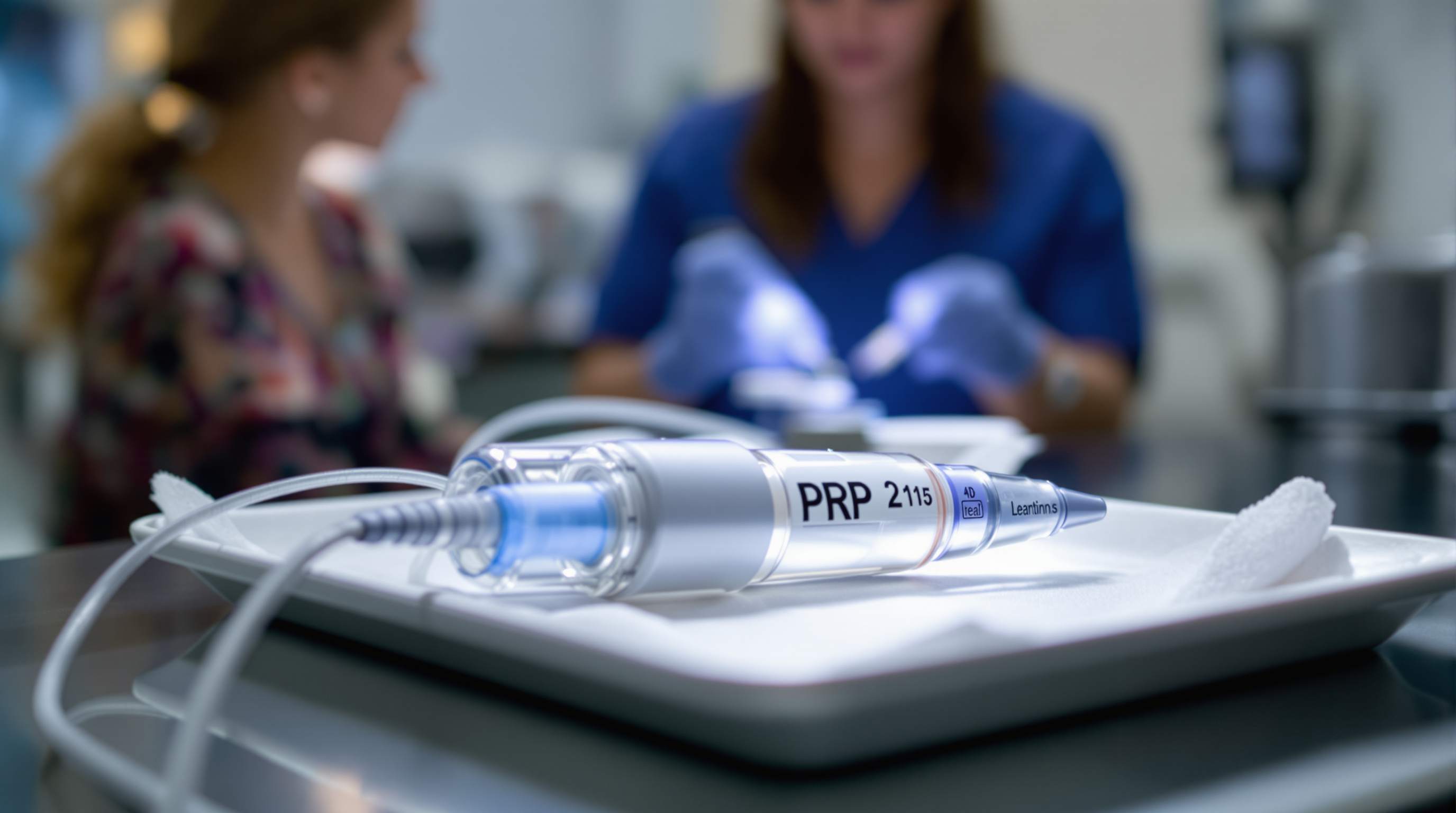
The under-eye is one of the most requested and least forgiving areas in aesthetics, which is exactly why PRP has become a popular option there. The skin is thin, the anatomy is delicate, and traditional fillers can go wrong in ways that are slow to correct. Against that backdrop, using your own platelet-rich plasma to gently improve the area has obvious appeal.
What PRP does under the eyes is improve skin quality rather than fill volume. The growth factors can thicken thin, crepey under-eye skin over a series of sessions, which softens the bluish look of dark circles that comes from blood vessels showing through translucent skin. For fine lines and a dull, tired texture in the tear trough, that quality improvement can make the area look fresher and less hollow, even without adding structural volume.
What PRP does not do is fill a true hollow the way a hyaluronic acid filler can. If the tear trough is deep and shadowed because of lost volume or bone structure, PRP alone will underwhelm, and this is a common source of disappointment. Some clinicians combine the two, using filler for structure and PRP for skin quality, while others prefer PRF here because its gel-like consistency lends a little more body to the area.
Candidacy and expectations matter more here than almost anywhere else. Bruising is more common under the eyes because the tissue is delicate and vascular, so plan around your calendar, and expect results to build over several sessions rather than appear overnight. For the wrong under-eye, mostly volume loss, PRP will disappoint; for thin, dark, textured under-eye skin, it is a low-risk, natural-looking option. How many rounds you will need is a fair next question, which we answer in how many PRP sessions you actually need.
Related reading: PRP for facial rejuvenation versus fillers.
Further reading: Platelet-Rich Plasma (PRP) and Injectable Platelet-Rich Fibrin (i-PRF) in the Non-Surgical Treatment of Periodontitis-A Systematic Review (Int J Mol Sci 2024); Platelet-rich plasma and platelet-rich fibrin in oral surgery: A narrative review (Dent Med Probl 2023); Platelet-rich plasma for the treatment of alopecia: a systematic review and meta-analysis (Blood Transfus 2023).