
Field Notes · July 22, 2026 · 7 min · By Jefferson Aluko
PRP for plantar fasciitis and Achilles tendon pain
Heel pain that has outlasted stretching, orthotics, and cortisone is the classic PRP candidate. The evidence is genuinely encouraging in the foot and far more mixed in the Achilles.
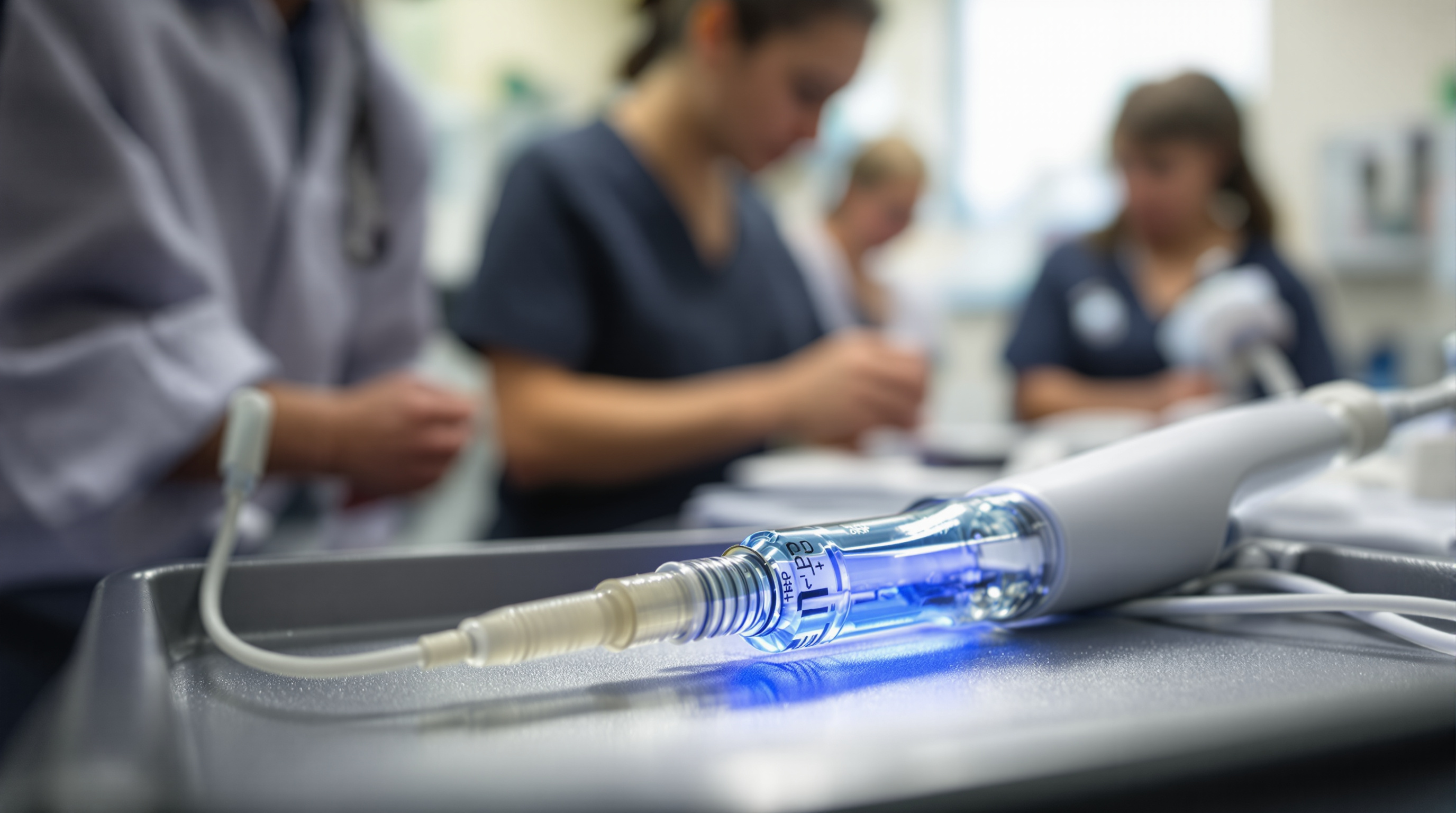
Two foot and ankle problems send more people looking into platelet-rich plasma than almost anything else: the stabbing heel pain of plantar fasciitis that peaks with the first steps out of bed, and the thickened, aching Achilles tendon that never quite settles no matter how much rest it gets. Both are stubborn, both drag on for months, and both sit in the same category as the joint and tendon problems where PRP is most often offered. The evidence, though, is not the same for both, and knowing where it is strong and where it is thin is the difference between a smart decision and an expensive one.
Why these problems attract PRP in the first place
Despite the name, chronic plantar fasciitis is not mainly an inflammatory condition. Tissue samples from long-standing cases show degeneration and disorganized collagen rather than the flood of inflammatory cells the word suggests, which is why some clinicians prefer the term fasciosis. Chronic Achilles tendinopathy follows the same pattern: the tendon is not inflamed so much as failing to repair itself properly.
That matters because it explains why anti-inflammatory strategies so often disappoint over the long run. If the tissue is degenerating rather than inflamed, suppressing inflammation treats the wrong target. PRP is attractive here precisely because it aims at repair instead: a concentrated dose of your own platelets and growth factors delivered into tissue that has stalled partway through healing. Mainstream care still starts with the boring, effective basics, calf and plantar fascia stretching, load management, supportive shoes or orthotics, and time, and most people get better with those alone (Mayo Clinic). PRP is a conversation for the minority who do not.
The plantar fasciitis evidence is the stronger half
The heel is where PRP has its best case. In a randomized controlled trial comparing PRP against corticosteroid and placebo in chronic plantar fasciitis, all three groups improved early, but at longer follow-up the PRP group held its gains while the steroid group regressed (PubMed). That crossover is the same pattern seen across the tendon literature and the same one we walked through in PRP versus cortisone shots for joint pain: the steroid wins the first month, the platelets win the year.
The practical read is that PRP is not a faster fix for heel pain. It is a more durable one, and only for people whose pain has genuinely resisted several months of conservative care. If you have had symptoms for six weeks and have not yet done a serious stretching and footwear program, injections of any kind are premature.
The Achilles evidence is much weaker, and that is worth saying plainly
The tendon at the back of the ankle has been less kind to PRP. In a double blind, placebo controlled trial in chronic Achilles tendinopathy, patients who received PRP alongside an eccentric loading program did no better at one year than patients who received a saline injection alongside the same program (PubMed). Later trials and meta-analyses have largely echoed that result, finding no consistent advantage over placebo on standard function scores.
That does not mean nobody with Achilles pain improves after PRP. It means the improvement is hard to separate from the structured rehab that accompanies it, and that a clinic quoting the plantar fasciitis data to sell you an Achilles injection is blurring two very different bodies of evidence. If a provider recommends PRP for your Achilles, the honest framing is that it is a reasonable option after loading-based rehab has failed, not a treatment with proven superiority.
Why the results diverge
Part of the gap is anatomy. The plantar fascia is a broad, relatively contained band with poor blood supply, and an injection can saturate the painful origin at the heel. The Achilles is a long, high-load, poorly vascularized tendon that absorbs several times body weight with every stride, and no single injection changes the mechanical demands you keep placing on it.
Part of it is protocol. PRP is not a standardized drug. Preparation systems differ in platelet concentration and in whether white blood cells are included, injection technique differs, and ultrasound guidance is inconsistently used even though it is the only way to reliably place the plasma into the right tissue plane. When trials pool wildly different preparations, real effects get diluted. Ask any clinic what system they use, whether their injections are ultrasound guided, and what rehab protocol comes with the shot.
What a realistic course looks like
Expect one to three injections spaced several weeks apart rather than a single visit, which is the same arithmetic covered in how many PRP sessions you actually need. Expect real soreness for three to seven days afterward as the healing response ramps up, sometimes enough to want a walking boot or crutches for a few days. Expect to avoid anti-inflammatory medication during the window, since blunting inflammation works against the mechanism you just paid for. Expect meaningful change to take six to twelve weeks, not days.
Expect, too, that it will be out of pocket. Insurers almost never cover PRP for foot and ankle conditions, so the honest comparison is a full PRP course against the cost and downside of the alternatives, the calculation we lay out in what PRP costs and how to judge the value.
Who is actually a good candidate
The reasonable profile is narrow: pain lasting at least three to six months, a confirmed diagnosis rather than a guess, and a documented failure of conservative treatment done properly rather than half-heartedly. PRP is not the answer for an acute Achilles rupture, which is a surgical or bracing decision, and it will not dissolve a heel spur, which is usually a bystander rather than the cause of the pain anyway.
The takeaway is that PRP earns a real place in chronic heel pain, where the long-term data are encouraging and the alternatives are limited, and a much more tentative place in chronic Achilles tendinopathy, where the best trials have not beaten saline. Either way, the injection is a supplement to loading and rehabilitation, never a replacement for it. A provider who sends you home with a rehab plan alongside the syringe understands that. One who sells the syringe alone does not.
Related reading: PRP for knees, joints, and arthritis.