
Dispatch · December 31, 2025 · 5 min · By Kerensa Molyneux
How PRP is made, and why preparation changes everything
The centrifuge step is where two clinics offering the same treatment can deliver very different results.
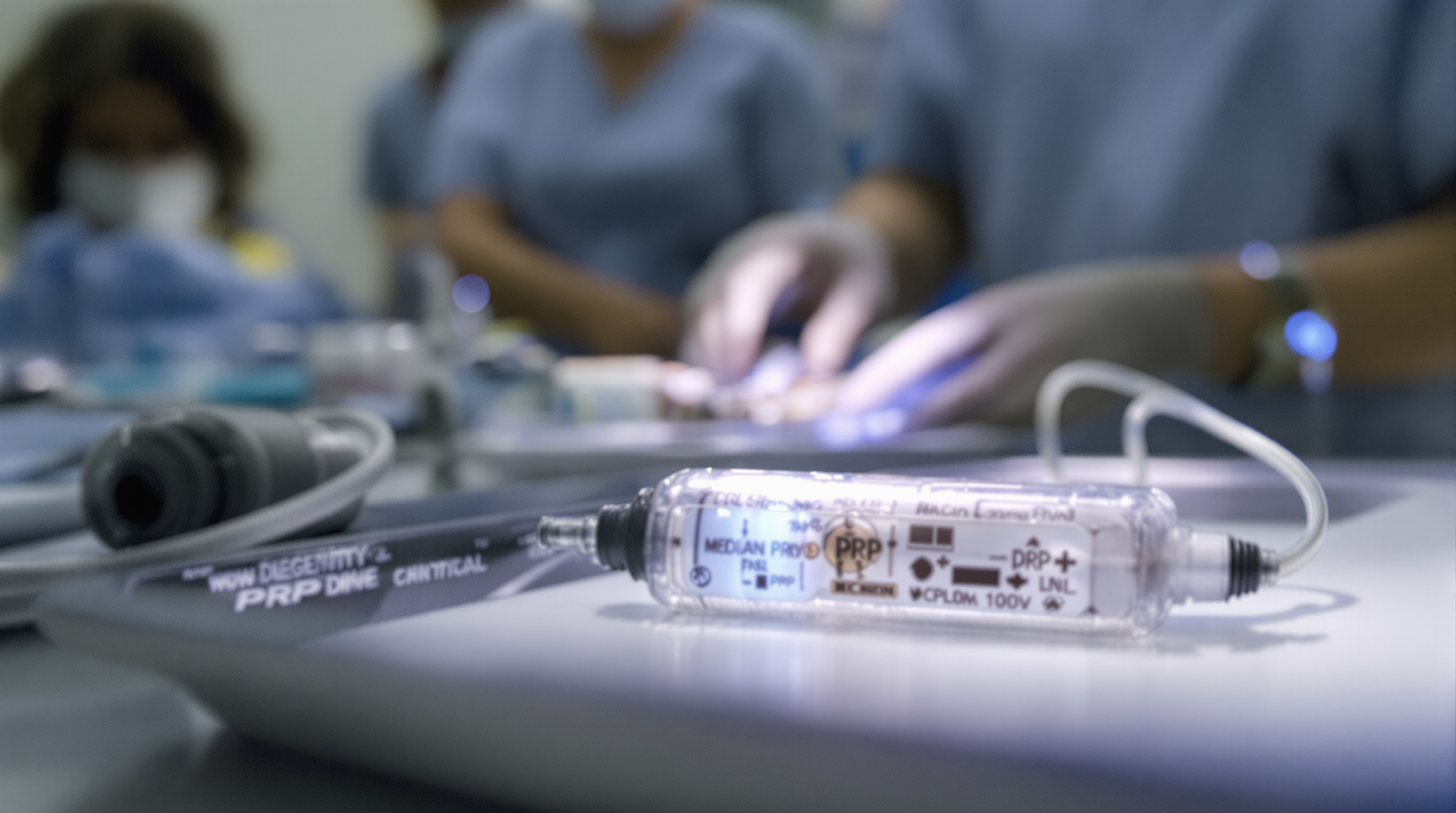
Patients comparing PRP therapy between clinics often assume they are comparing the same product. They are not. The way platelet-rich plasma is prepared varies enormously, and that variation may explain much of why study results and patient experiences differ so widely.
The basic process is consistent: draw blood, spin it in a centrifuge to separate the platelet-rich layer, draw off that concentrate, and inject it. But the details that matter are hidden in that middle step. How many times the blood is spun, at what speed, in what kind of tube, and to what final platelet concentration all change the potency of the result. Some systems produce plasma with platelet levels several times higher than others; some include white blood cells, which may help or hinder depending on the target tissue.
This is why generic price-shopping for PRP can mislead. A bargain treatment using a low-concentration single-spin kit is not the same procedure as one using a validated double-spin system, even though both are sold as PRP. Without standardization across the industry, the most useful questions a patient can ask are about the specific system and the resulting platelet concentration, not just the headline price, a theme that runs through our guide to PRP cost and value. The preparation, far more than the clinic's decor, is what determines whether you are getting a meaningful concentrate or barely-enhanced blood.
Related reading: Does PRP work for hair loss?.
Further reading: Platelet-Rich Plasma Centrifugation Changes Leukocyte Ratios (Cureus 2021); Platelet-Rich Plasma in the Management of Alopecia: A Systematic Review and Meta-Analysis of Clinical Evidence (Dermatol Ther (Heidelb) 2025); Subacromial injection of platelet-rich plasma provides greater improvement in pain and functional outcomes compared to corticosteroids at 1-year follow-up: a double-blinded randomized controlled trial (J Shoulder Elbow Surg 2024).