
Field Notes · July 3, 2026 · 4 min · By Jefferson Aluko
How to prepare for your PRP treatment
The days before your appointment shape the result. Here is a simple, evidence-based checklist for getting the most from a PRP session.
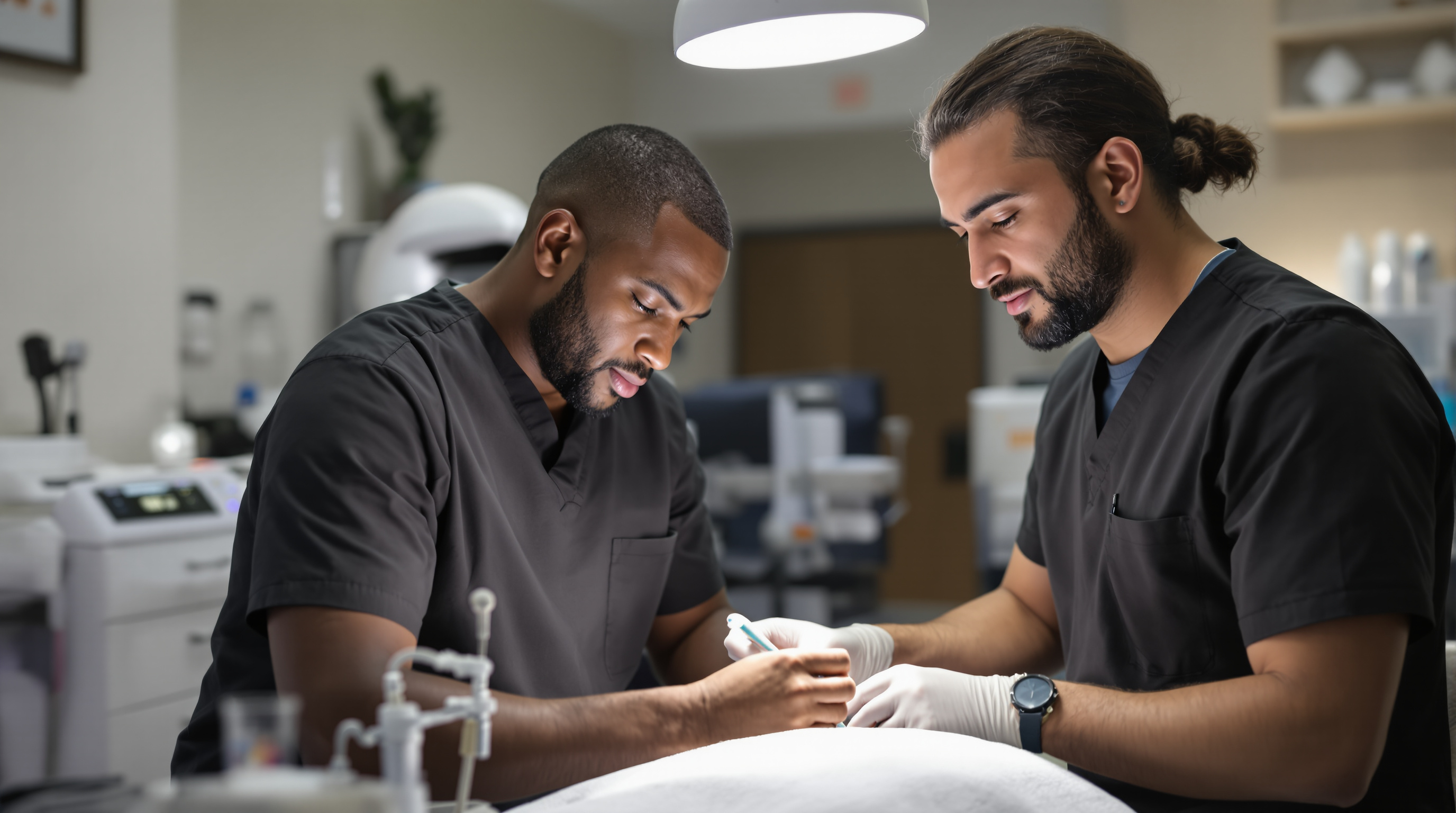
The days before a PRP appointment get far less attention than the treatment itself, which is a quiet mistake. Because PRP therapy works by concentrating the platelets and growth factors already circulating in your blood, the quality of that blood on the morning of your draw has a direct influence on the quality of the concentrate that goes back in. Preparation is one of the few parts of the whole process you actually control.
None of it is complicated, and none of it demands a dramatic lifestyle overhaul. Think of the week before your appointment as a short window for giving your platelets the best possible conditions to do their job. Here is what genuinely matters, what does not, and why.
Rethink anti-inflammatory medications
This is the single most discussed preparation step, and for good reason. Nonsteroidal anti-inflammatory drugs, such as ibuprofen, naproxen, and aspirin, blunt platelet function, which is precisely the activity PRP depends on. A systematic review of antiplatelet and anti-inflammatory medications found they can reduce the growth-factor release profile of PRP depending on how the plasma is later activated (PMC systematic review). A controlled study in healthy men similarly showed aspirin dampening growth-factor release from freshly isolated platelet-rich plasma (PubMed).
The practical upshot is that many clinicians ask patients to pause NSAIDs and aspirin for roughly a week to ten days before treatment, and to lean on acetaminophen instead if they need pain relief in that window. The important caveat: never stop a prescribed blood thinner or a daily aspirin on your own. If you take one for a heart or clotting condition, that decision belongs to the prescribing doctor, not to you or the aesthetic clinic. Flag every medication and supplement you take at your consultation, and let the two providers sort out the timing between them.
Hydrate, and go in well fed
A PRP session begins with an ordinary blood draw, so the same rules that make any draw easier apply here. Drinking plenty of water in the day or two beforehand plumps your veins, makes the draw faster and cleaner, and helps the centrifuge separate a healthy plasma layer. Dehydration does the opposite, turning a quick draw into a frustrating one and occasionally into a repeat stick.
Eat a normal meal before you come in, too. Unlike some lab tests, PRP does not require fasting, and arriving on an empty stomach is a common cause of lightheadedness during the draw. Steady blood sugar and good hydration are small, unglamorous things that make the entire appointment smoother and lower the odds of feeling faint.
Skip the blood thinners you might not think of
Prescription drugs are not the only things that affect platelets. Several popular supplements carry mild blood-thinning or anti-inflammatory effects, including fish oil, vitamin E, ginkgo, garlic capsules, and high-dose turmeric. Many clinics ask you to pause these for about a week as well, on exactly the same logic as the NSAIDs above.
Alcohol is worth cutting for a couple of days on either side of the appointment. It dehydrates you, can thin the blood slightly, and tends to worsen bruising. The same caution applies to a hard workout on the morning of your session. None of these is catastrophic on its own, but each one nudges conditions in the wrong direction, and all of them are easy to avoid for a short stretch.
It is also worth arriving with an honest health picture. Tell the clinic if you are pregnant or breastfeeding, are fighting an active infection, or have a bleeding or platelet disorder, since any of these can change whether the day of treatment should proceed at all. A good provider will screen for this anyway, but volunteering it early prevents both a wasted trip and a wasted blood draw.
Plan for the day itself, and just after
A few small logistics make the appointment better. Wear comfortable clothing with sleeves that roll up easily for the draw, and for facial or scalp PRP arrive with clean skin and no heavy makeup or product on the treatment area. If you bruise easily, consider timing the session away from a big social event, since minor bruising at injection sites is normal and expected, a point we cover in our guide to whether PRP is safe.
It also helps to know what the following days look like before you arrive, because much of PRP's result is built in the recovery window rather than in the chair. Our recovery and aftercare guide walks through the post-treatment side in detail, and it dovetails neatly with the steps here: you avoid anti-inflammatories, heat, and heavy exercise for a short period afterward for the very same reason you paused them beforehand.
The takeaway
Preparing for PRP is mostly about not sabotaging your own platelets. Pause NSAIDs, aspirin, and blood-thinning supplements for about a week if your doctor approves, hydrate well, eat before you come, ease off alcohol and intense exercise for a day or two, and disclose every medication you take. Do those simple things and you hand the treatment the best possible raw material to work with. Skipping them will not usually ruin a session, but there is no reason to hand over weaker plasma when better plasma costs you nothing extra.